Insurance-Mandated Structural Inspections
Compliance & Risk Management Guide for Property Owners, Condo Associations & HOA Boards
Across the U.S., insurance carriers are increasingly requiring structural inspections as a condition of policy renewal, reinstatement, or continued coverage. These inspections are often triggered by a building’s age, height, location, claims history, or prior code issues—and failure to comply can result in non-renewal, coverage exclusions, or sharply increased premiums.
If your insurer has requested a structural, façade, balcony, or building safety inspection, prompt action is essential. Insurance-mandated inspections are time-sensitive, documentation-driven, and tied directly to your ability to maintain coverage.
This page explains why insurers require inspections, what they typically look for, who can perform them, what happens if issues are found, and how to efficiently coordinate compliance.
⸻
Why insurers are requiring structural inspections
Insurance carriers are reassessing risk due to:
• High-profile building failures nationwide
• Aging building stock
• Increased severity of weather events
• Rising repair and litigation costs
As a result, insurers now frequently require independent verification of structural safety before issuing or renewing policies.
Common triggers include:
• Buildings exceeding a certain age threshold (e.g., 25, 30, or 40+ years)
• Multi-story or high-occupancy properties
• Presence of balconies, decks, or exterior elevated elements
• Prior claims, violations, or deferred maintenance
• Coastal or high-exposure locations
⸻
Properties commonly affected
Insurance-mandated structural inspections frequently apply to:
• Condominium and cooperative buildings
• HOA-managed residential communities
• Rental apartment buildings
• Mixed-use properties
• Older commercial buildings
Responsibility rests with the property owner or association, even if insurance procurement is handled by a broker or manager.
⸻
What insurers typically require
While requirements vary by carrier, insurance-mandated inspections often include evaluation of:
Structural components
• Foundations and load-bearing systems
• Columns, beams, slabs, and framing
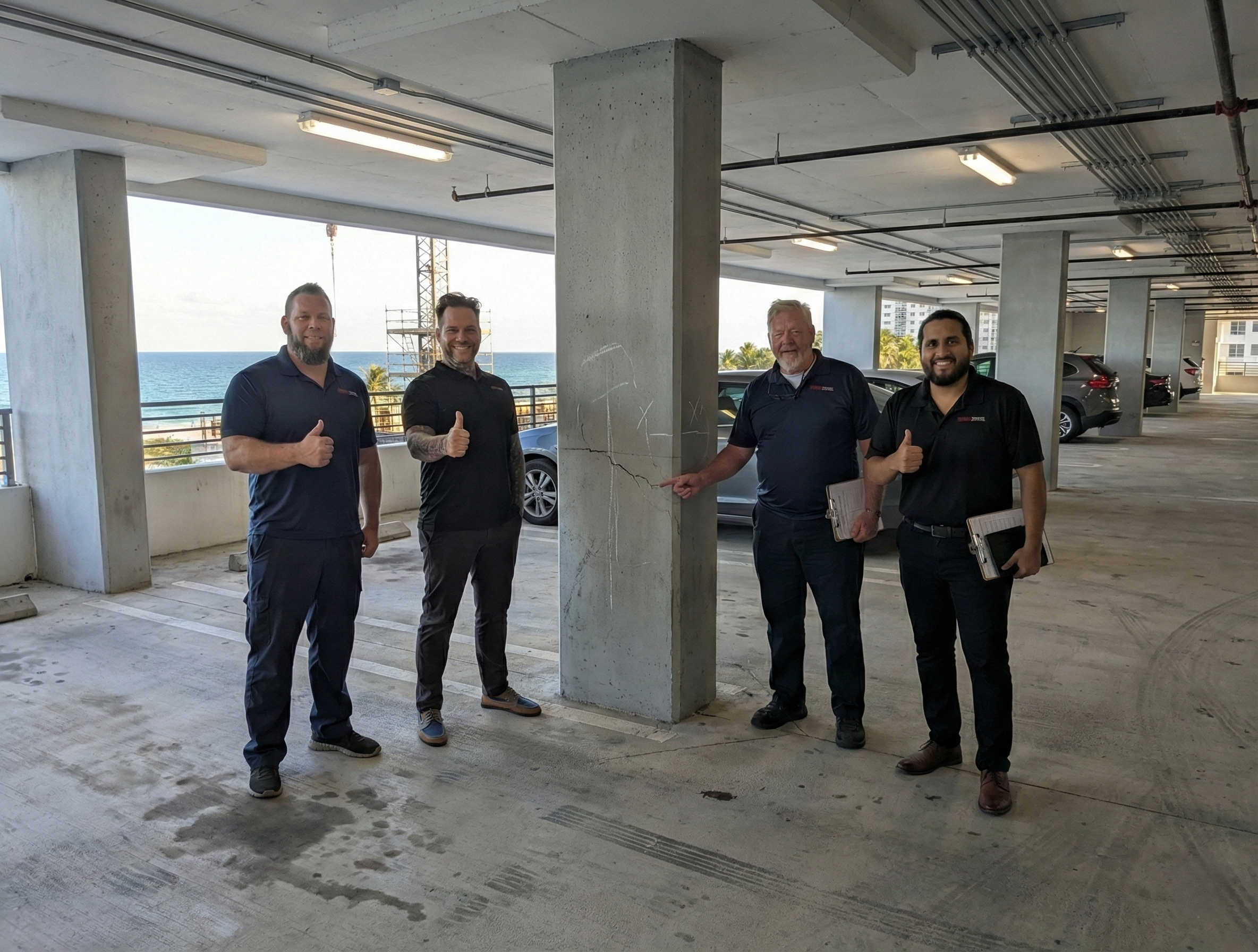
• Signs of cracking, spalling, corrosion, or movement
Exterior and life-safety elements
• Façades and exterior walls
• Balconies, decks, and exterior elevated elements
• Guardrails, attachments, and projections
Water intrusion & deterioration
• Waterproofing failures
• Chronic moisture exposure
• Conditions contributing to long-term structural decay
Insurers are focused on risk of collapse, falling hazards, and costly claims—not cosmetic issues.
⸻
Who can perform insurance-mandated inspections
Most insurers require inspections to be performed by a licensed design professional, such as:
• Licensed Structural or Civil Engineer
• Licensed Architect
Reports typically must be:
• Professionally stamped
• Clearly written for underwriting review
• Supported by photographs and repair recommendations, if applicable
Unqualified or incomplete reports are a common reason for insurance delays or denials.
⸻
How rascompany.com helps with insurance compliance
Insurance-mandated inspections often come with tight deadlines and limited flexibility. Delays in securing the right professional can jeopardize coverage.
rascompany.com helps property owners, HOAs, and managers meet insurance inspection requirements by matching them with vetted professionals, including:
• Licensed engineers and architects experienced with insurance-driven inspections
• Façade, balcony, and structural repair contractors for follow-up work
• Waterproofing and restoration specialists familiar with insurer concerns
Using rascompany.com allows you to:
• Respond quickly to insurer requests
• Obtain reports that meet underwriting expectations
• Move efficiently from inspection to repair if conditions are identified
This coordinated approach helps protect coverage and control premium risk.
⸻
What happens if issues are found
If an inspection identifies deficiencies, insurers may require:
• Immediate repairs or mitigation measures
• Temporary access restrictions or safety precautions
• Proof of completed work before policy renewal
• Ongoing monitoring or re-inspection
Failure to act can result in:
• Policy non-renewal
• Coverage exclusions
• Increased deductibles or premiums
• Difficulty securing alternative coverage
⸻
Documentation & communication with insurers
Property owners and associations are typically responsible for:
• Submitting inspection reports directly to the insurer or broker
• Providing repair scopes, timelines, and proof of completion
• Coordinating follow-up documentation
Clear, professional documentation can significantly improve underwriting outcomes.
⸻
Penalties & risks of non-compliance
Ignoring or delaying insurance-mandated inspections can lead to:
• Loss of property insurance coverage
• Breach of mortgage or loan covenants
• Increased personal liability exposure
• Emergency repairs at significantly higher cost
From a risk-management standpoint, these inspections are as critical as code compliance.
⸻
A practical insurance inspection compliance strategy
1. Act immediately upon insurer request
2. Confirm scope and reporting requirements
3. Engage a licensed engineer or architect
4. Plan for potential repairs in parallel
5. Submit clear documentation to the insurer
Using a professional matching service like rascompany.com can significantly reduce friction in steps 3–5 by connecting you with professionals experienced in insurance-mandated inspections.
⸻
Key takeaway
Insurance-mandated structural inspections are now a standard part of building ownership and risk management. Owners and associations that respond quickly, engage qualified professionals, and address findings proactively are best positioned to maintain coverage, control premiums, and reduce liability.
Leveraging professional matching services such as rascompany.com helps property owners and HOA boards navigate insurance inspection requirements with speed, clarity, and confidence.

Our process is simple and thoughtful.
Explore our range of services designed to help you move forward with confidence, wherever you're headed next.
In-person and remote options
Our office is conveniently located in Manhattan. A place to gather, grow, and reconnect.
Our Services
Explore our range of services designed to help you move forward with confidence, wherever you're headed next.
Meet the Team
-
![]()
Monet Goode
FOUNDER
With a vision for building something meaningful, our founder brings a blend of big-picture thinking and hands-on experience.
They set the tone for everything we do. -
![]()
Emmett Marsh
SALES MANAGER
Focused, approachable, and driven by results, our sales manager is all about building strong relationships. They help connect people to the right solutions—with clarity and care. -
![]()
Eleanor Parks
MARKETING DIRECTOR
Creative and strategic in equal measure, our marketing director brings fresh ideas to every campaign. They turn insights into action and help our message resonate with the right audience. -
![]()
Karl Holland
CUSTOMER SERVICE MANAGER
Friendly, attentive, and always ready to help, our customer service manager ensures every interaction is a positive one. They keep communication clear, timely, and human.