

Historical Buildings
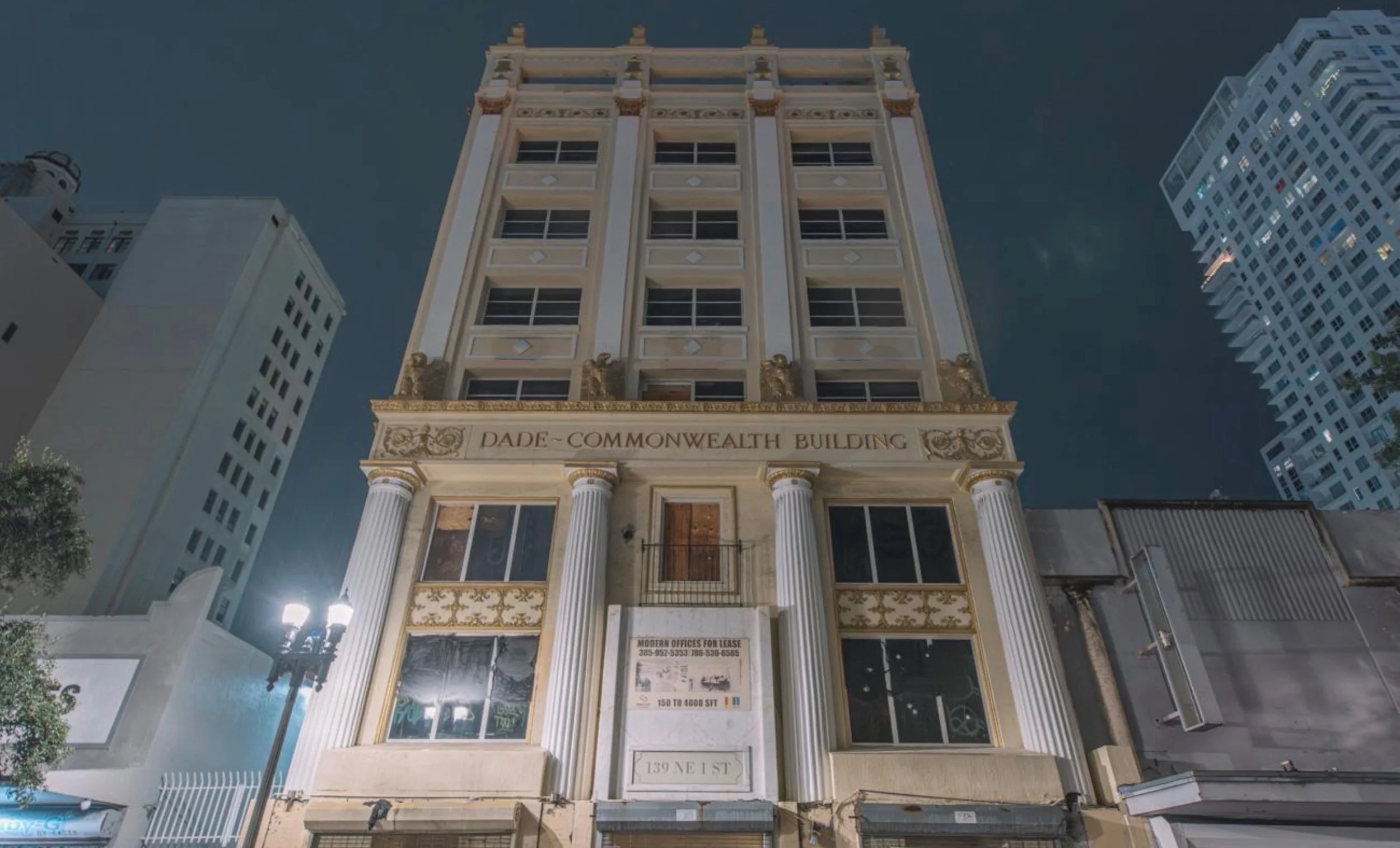
The Ralston Building - Miami
Project Overview
The Ralston Building, an early 20th-century commercial structure located in the historic core of Downtown Miami, represents an important piece of the city’s architectural heritage. Although not individually listed on the National Register of Historic Places, the building contributes to the broader historic fabric of the area and reflects Miami’s early development during its first major growth period. Prior to intervention, the structure had been abandoned and deemed unsafe, requiring a carefully planned restoration approach that balanced structural stabilization with preservation of its historic character.
Scope of Services
RAS Engineering was engaged to execute a comprehensive structural rehabilitation of the eight-story building. The primary objective was to restore the building’s integrity and safety while maintaining the original exterior façade—often referred to as the historic “skin.” To achieve this, all major structural reinforcements were performed from the interior, avoiding any impact on the building’s outward historic appearance.
The structural scope included the installation of steel cross-bracing throughout the framing system to improve lateral stability and resistance to wind loads, a critical consideration in South Florida. In addition, extensive concrete restoration was undertaken to repair deterioration in slabs, beams, and columns, ensuring the building meets current structural performance standards while extending its service life.
Beyond structural work, the project incorporated key upgrades to meet modern building and accessibility codes. The existing stair systems were reconfigured to comply with current life-safety and accessibility requirements, improving safe egress and usability. Interior improvements also included the installation of floor systems to increase restrooms area.
Overall, the restoration of the Ralston Building demonstrates a successful integration of structural engineering, code compliance, and historic preservation. By reinforcing the building internally and preserving its exterior character, the project revitalizes a once-abandoned structure into a safe and functional space while maintaining its historical significance within Downtown Miami.
Wolfsonian Museum - FIU
Project Overview
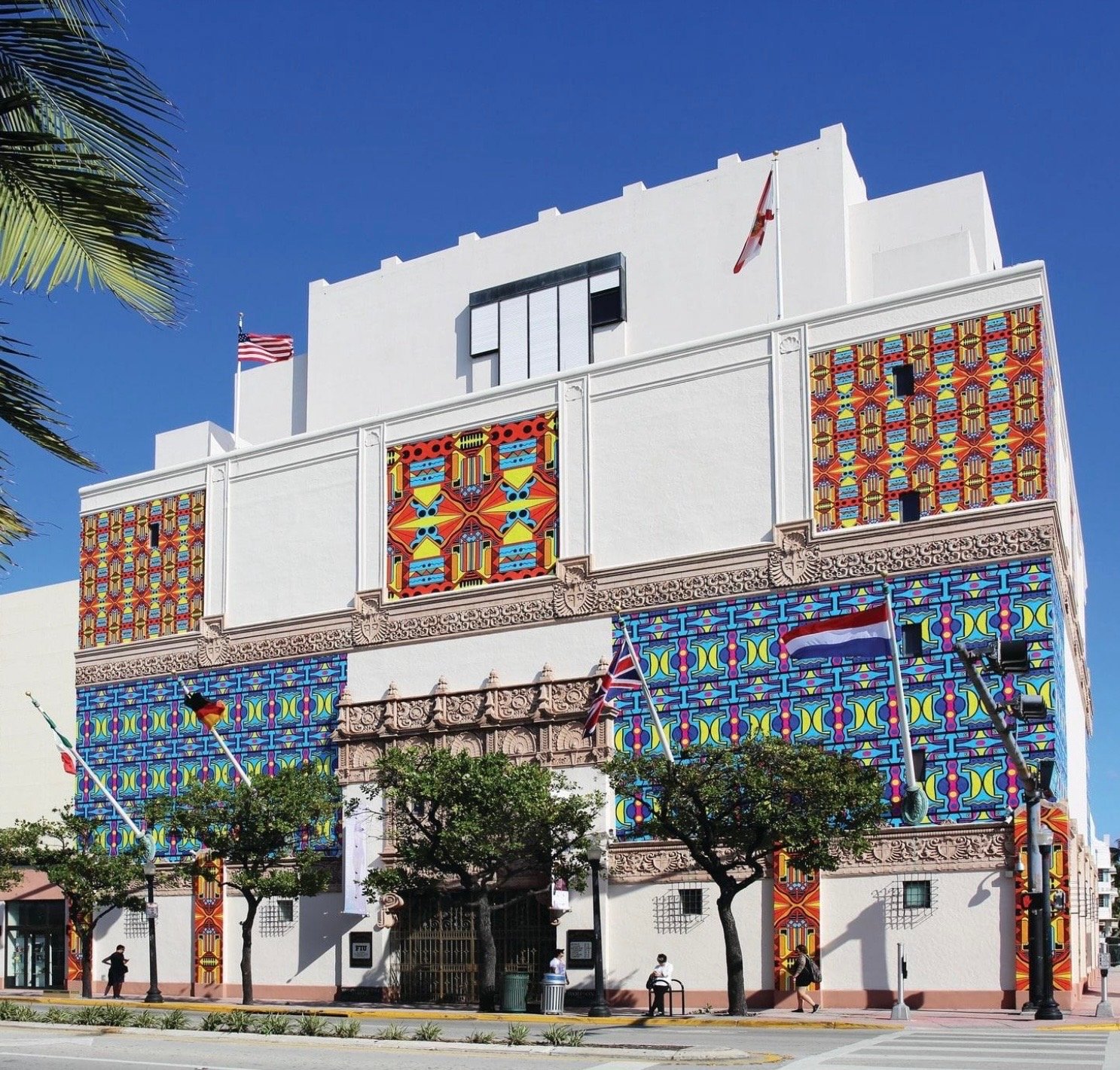
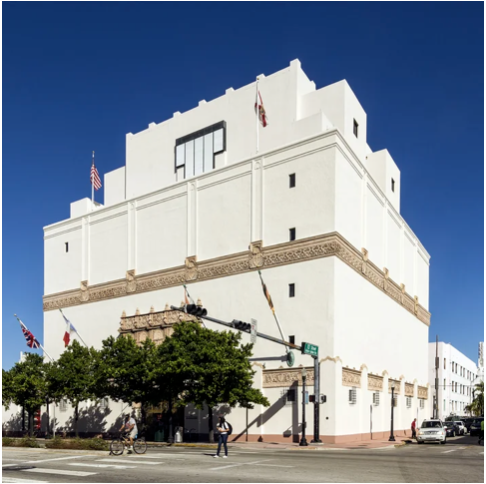
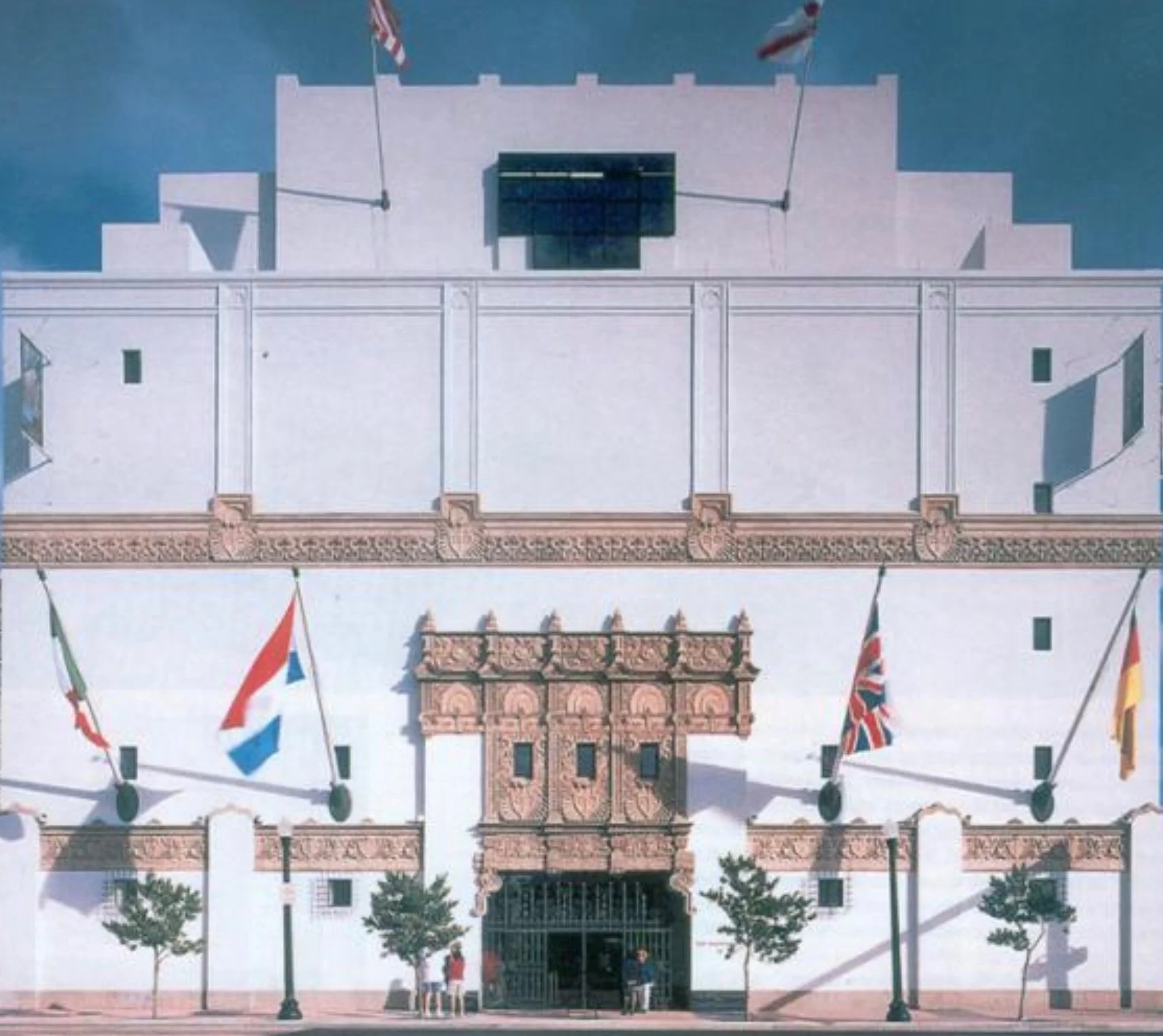
RAS Engineering provided specialized façade restoration engineering services for the historic building that now houses The Wolfsonian–FIU, a culturally significant institution located in Miami Beach. Originally constructed in 1927 as the Washington Storage Company building, the structure has been adaptively reused into a world-class museum while maintaining its historic exterior character. The restoration effort required a highly sensitive approach to preserve the building’s architectural integrity while addressing long-term durability and environmental performance.
Scope of Services
A key component of the project involved identifying the original source and composition of the façade stone. RAS Engineering conducted detailed material testing and analysis to determine the geological origin and properties of the rock, allowing for the specification of compatible restoration materials. This ensured that all repairs would match the original fabric in both appearance and performance, a critical requirement for historic preservation.
A comprehensive condition assessment of the façade was performed using a combination of visual inspections, selective tuck-pointing investigations, and non-destructive echo sounding techniques. These methods enabled the identification of delaminated areas, voids, and loose stone elements that were not visible from the surface. The survey also documented areas of expansion and deterioration, forming the basis for targeted repair strategies that minimized unnecessary intervention.
Given the building’s active use as a museum housing high-value and environmentally sensitive artifacts, RAS Engineering also evaluated the building envelope’s performance in relation to interior environmental control after restoration. Randomized testing of differential air pressure across wall cavities and monitoring of indoor humidity levels were conducted to assess potential pathways for moisture intrusion and air leakage. These analyses were essential to ensure that façade restoration efforts would not negatively impact the strict climate control conditions required for artifact preservation.
The project successfully integrated advanced diagnostic techniques, material science, and building envelope engineering to restore the historic façade while safeguarding the museum’s interior environment. RAS Engineering’s work contributed to the long-term preservation of a landmark structure, ensuring that its historic character is maintained alongside modern performance standards required for a world-class cultural institution.
One Biscayne Tower – High-Rise Restoration Project Highlights
Project Overview
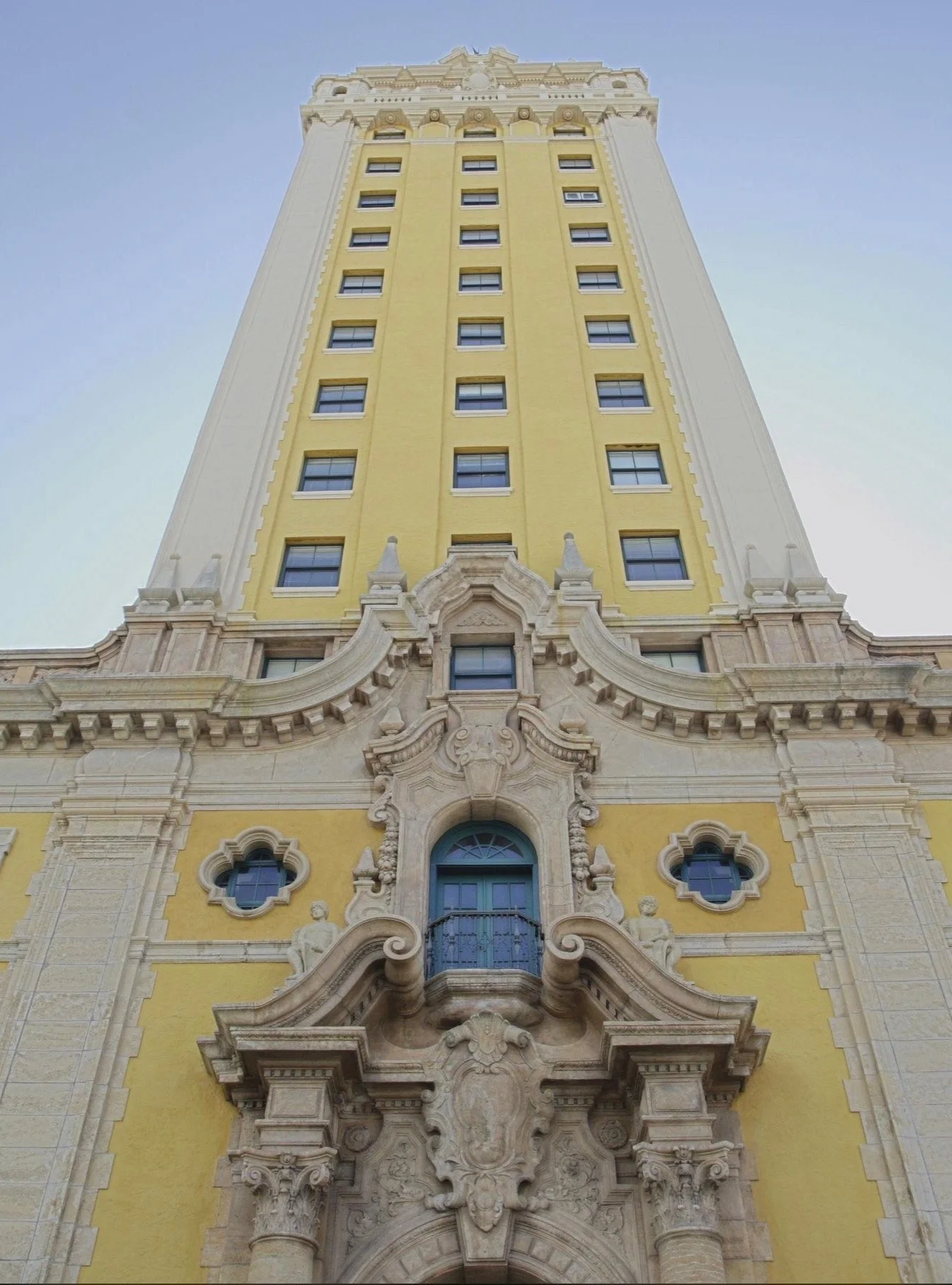
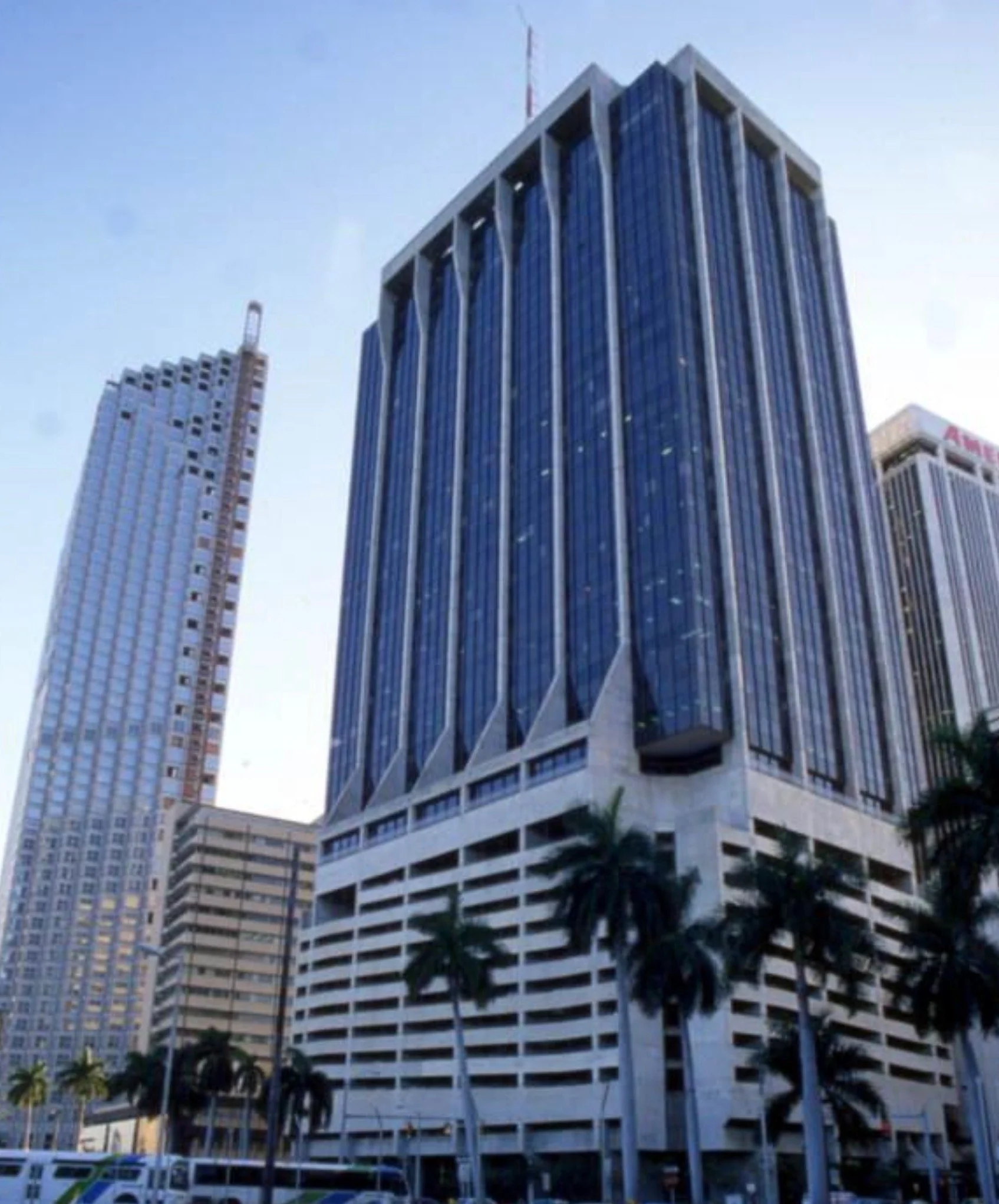
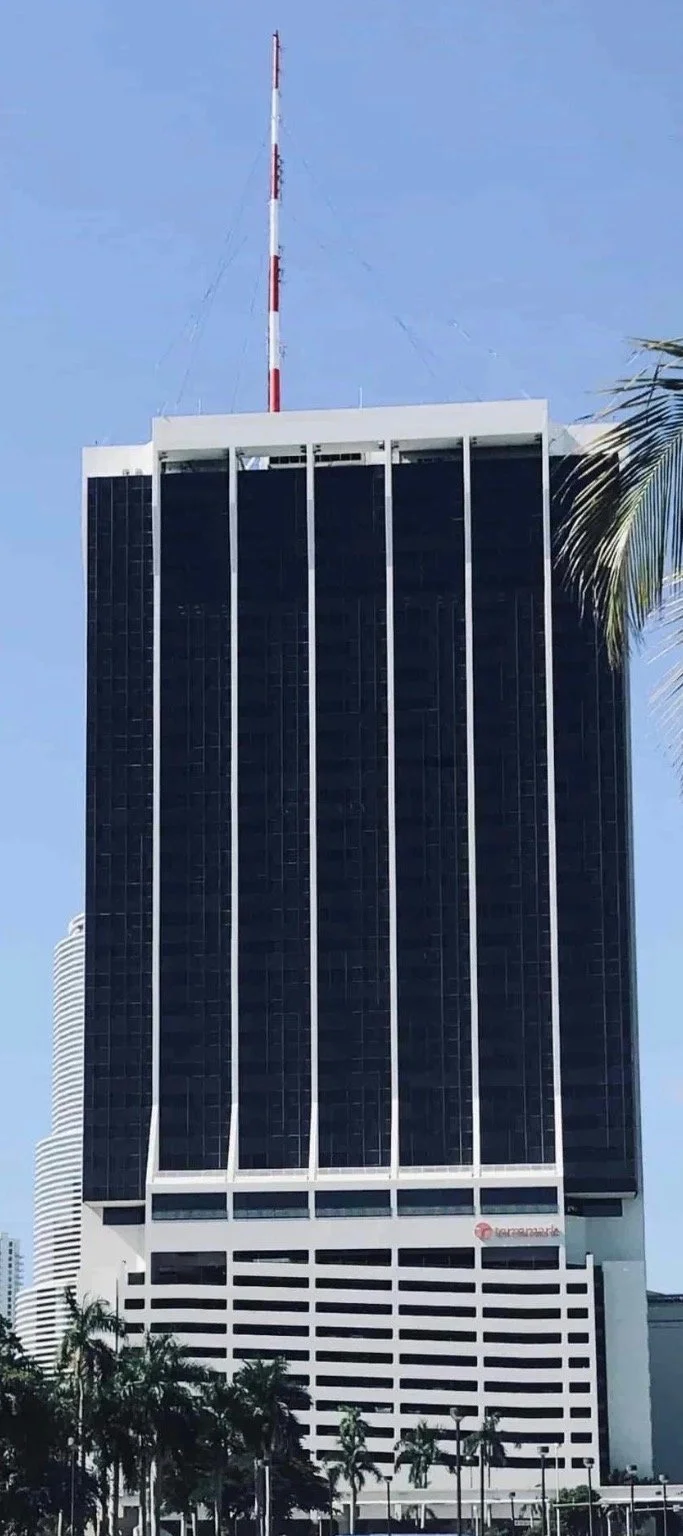
RAS Engineering provided comprehensive structural and façade engineering services for the restoration of the One Biscayne Tower, a landmark high-rise that played a defining role in the vertical growth of Miami. Originally completed in 1973, the building had become a safety concern after being officially classified as unsafe due to falling concrete fragments from the roof overhang, posing a significant hazard to pedestrians and adjacent public areas.
Scope of Services
The primary challenge of the project was to stabilize and restore deteriorated concrete elements at elevation while ensuring public safety and minimizing disruption to ongoing building operations. RAS Engineering began with an extensive condition assessment utilizing advanced diagnostic and scientific testing methods. This included corrosion mapping, half-cell potential testing, and material sampling to quantify the level of reinforcement deterioration and identify the root causes of concrete spalling. These data-driven evaluations allowed for precise targeting of affected areas and the development of an efficient and durable repair strategy.
A key innovation in the project was the specification and implementation of sustainable and forward-thinking strengthning materials that were not widely adopted by the industry at the time. RAS Engineering incorporated carbon fiber reinforced polymer (CFRP) rods and mesh systems to strengthen and stabilize compromised concrete sections. These materials offered significant advantages over traditional steel reinforcement, including high tensile strength, corrosion resistance, reduced weight, and long-term durability in Miami’s aggressive coastal environment. Their use minimized the need for extensive demolition and replacement, preserving structural integrity while reducing material waste and construction impact.
The restoration approach focused on removing unsound concrete, treating and protecting existing reinforcement, and rebuilding sections with compatible repair materials enhanced by carbon fiber systems. Special attention was given to the roof overhang and other exposed elements, where environmental exposure and structural vulnerability were most severe. Safety measures were implemented throughout construction to protect the public, including controlled access zones and overhead protection systems.
RAS Engineering’s integration of advanced diagnostics, innovative materials, and sustainable restoration techniques resulted in a successful rehabilitation of the building envelope and structural components. The project not only resolved critical safety issues but also extended the service life of a significant high-rise structure within Miami’s urban core.
In recognition of its technical excellence and innovation, the project was awarded the 2013 Best High-Rise Building Restoration Project in the United States, highlighting RAS Engineering’s leadership in modern restoration practices. The One Biscayne Tower restoration stands as a benchmark for combining safety, sustainability, and engineering innovation in the rehabilitation of aging high-rise buildings.
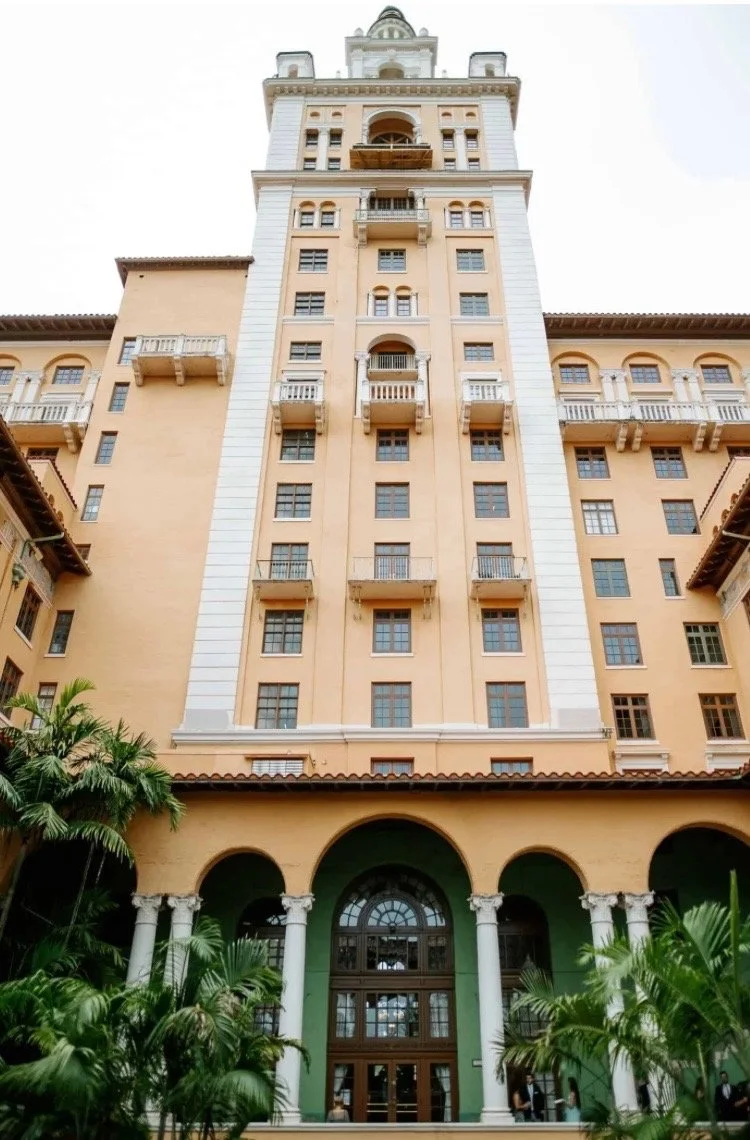
Biltmore Hotel – Coral Gables, Florida
Project Overview
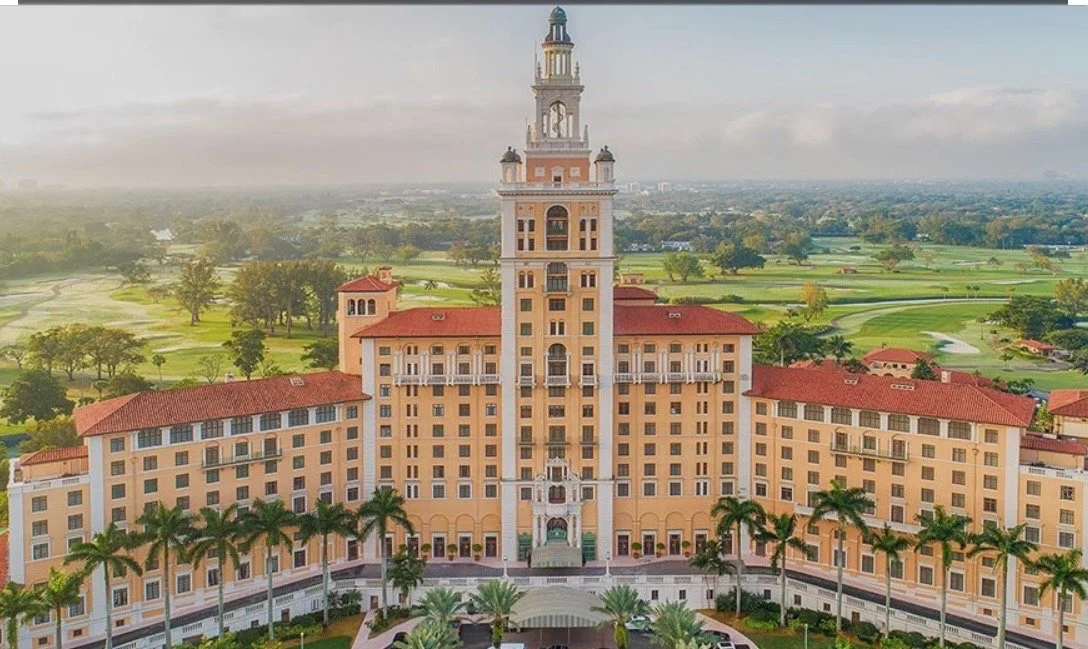
The Biltmore Hotel is a nationally recognized historic landmark located in Coral Gables, Florida. Originally constructed in 1926, the property is listed on the National Register of Historic Places and designated as a National Historic Landmark. The building’s Mediterranean Revival architecture, ornamental detailing, and historic exterior envelope require specialized inspection methodologies to preserve structural integrity while maintaining architectural authenticity.
Scope of Services
Our facade inspection services focused on the evaluation of the building exterior systems, including:
• Visual facade assessment of exterior walls, balconies, parapets, and decorative architectural elements
• Inspection of stucco, masonry, and reinforced concrete components
• Assessment of moisture intrusion and waterproofing deficiencies
• Evaluation of façade anchorage systems and structural movement indicators
• Identification of cracking, spalling, corrosion, and material deterioration
• Review of historic preservation considerations and code compliance requirements
• Preparation of repair recommendations and prioritized maintenance strategies
Inspection Methodology
The inspection program utilized a combination of:
• Hands-on facade investigation
• Swing-stage and elevated access inspections
• Photographic documentation
• Structural observation and condition mapping
• Non-destructive evaluation techniques where applicable
Particular attention was given to preserving the historical character of the structure while identifying areas requiring corrective action under current Florida Building Code and local historic preservation guidelines.
Biltmore Hotel presented unique technical challenges, including:
• Aging structural materials exposed to South Florida coastal conditions
• Corrosion-related concrete deterioration
• Preservation of original ornamental finishes
• Integration of modern safety standards with historic architecture
• Water intrusion and façade weatherproofing concerns
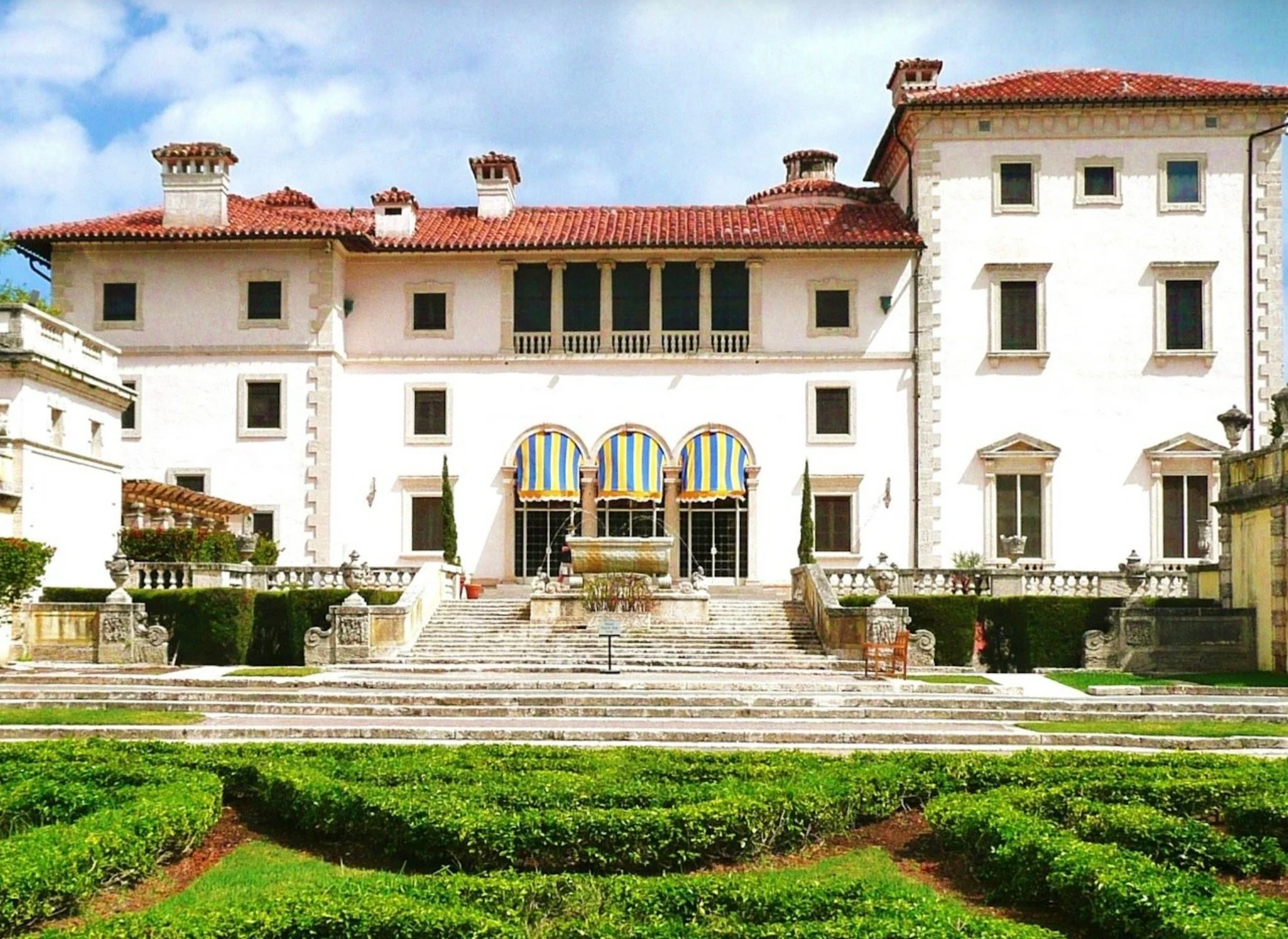
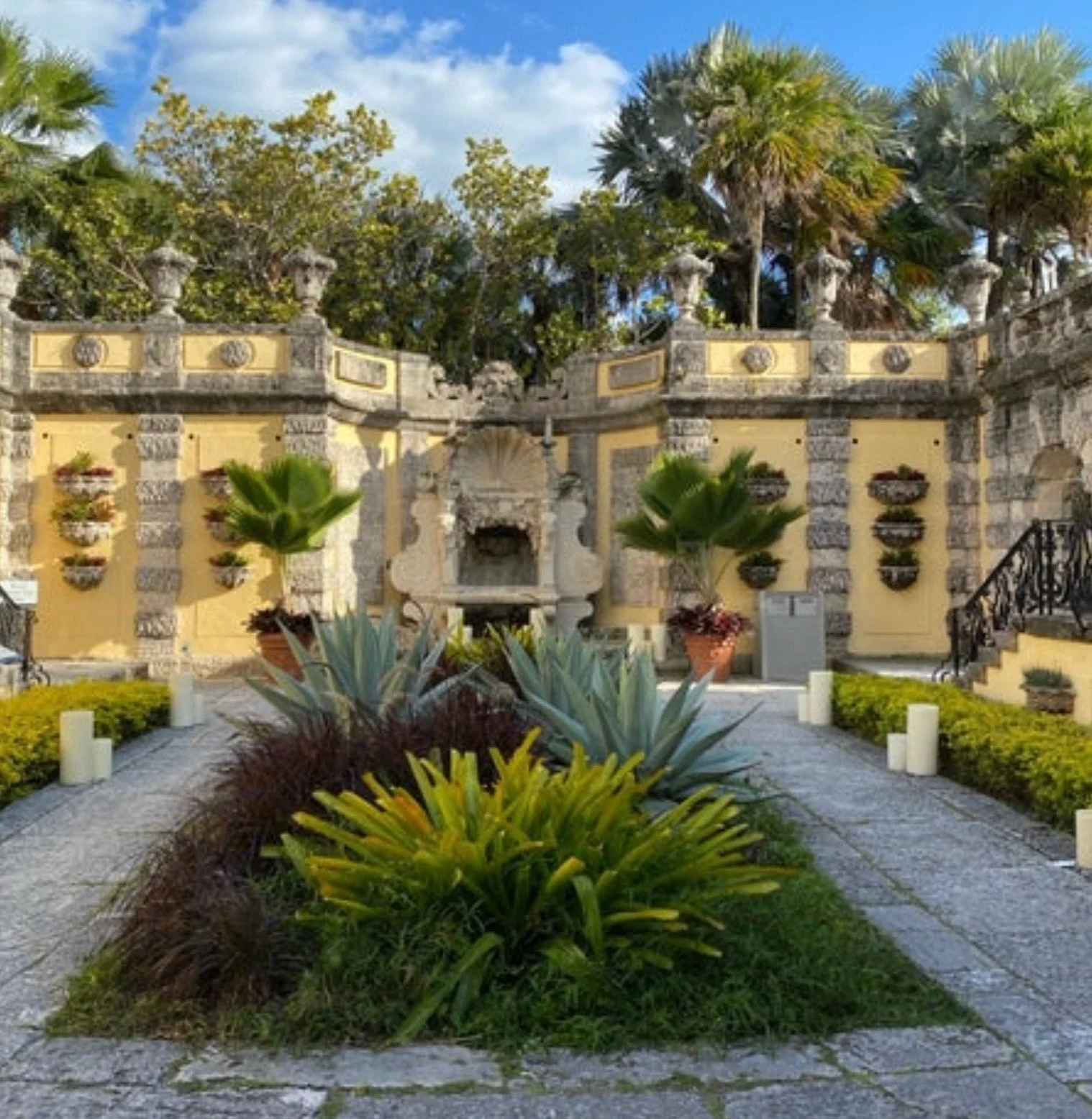
Vizcaya Museum and Gardens – Miami, Florida
Project Overview
Vizcaya Museum and Gardens is one of South Florida’s most historically significant waterfront estates and a designated National Historic Landmark located in Miami, Florida. Originally constructed between 1914 and 1922, the property features Italian Renaissance-inspired architecture, historic masonry facades, ornamental stonework, and complex building envelope systems exposed to harsh coastal environmental conditions.
The preservation of the estate required specialized facade inspection and structural assessment procedures that balance life-safety requirements with historic preservation standards.
Scope of Services
Our facade inspection and building envelope evaluation services included:
• Comprehensive visual inspection of exterior facades and architectural features
• Assessment of masonry, stucco, coral rocks, and ornamental stone deterioration
• Evaluation of waterfront exposure impacts, moisture intrusion, sealants, and salt-air corrosion
• Inspection of parapets, terraces, and decorative facade elements
• Identification of cracking, expansion, displacement, and structural distress conditions
• Waterproofing and drainage condition assessment
• Documentation of facade deficiencies and repair prioritization recommendations
Inspection Methodology
The inspection program incorporated:
• Hands-on facade investigations
• Elevated access and close-range architectural assessments
• Photographic documentation and condition mapping
• Structural observations of deterioration patterns
• Non-destructive evaluation techniques where applicable
Key Challenges
Historic coastal properties such as Vizcaya present several unique challenges, including:
• Salt-air corrosion and moisture-related deterioration
• Aging masonry and decorative facade systems
• Preservation of historic finishes and ornamental detailing
• Structural movement associated with long-term environmental exposure
• Integration of modern repair standards with historically sensitive restoration practices
Signs You May Need Engineering Support
Your property is subject to SB-721 or SB-326
You have received a Notice of Violation or Order
Elevated elements show signs of deterioration
Prior inspections are outdated
You need help coordinating compliance
Request a Consultation
If your property requires Exterior Elevated Element inspections, violation response, or compliance support, RAS Engineering, PA can help.
Contact us today to schedule a consultation and request a FREE evaluation.