

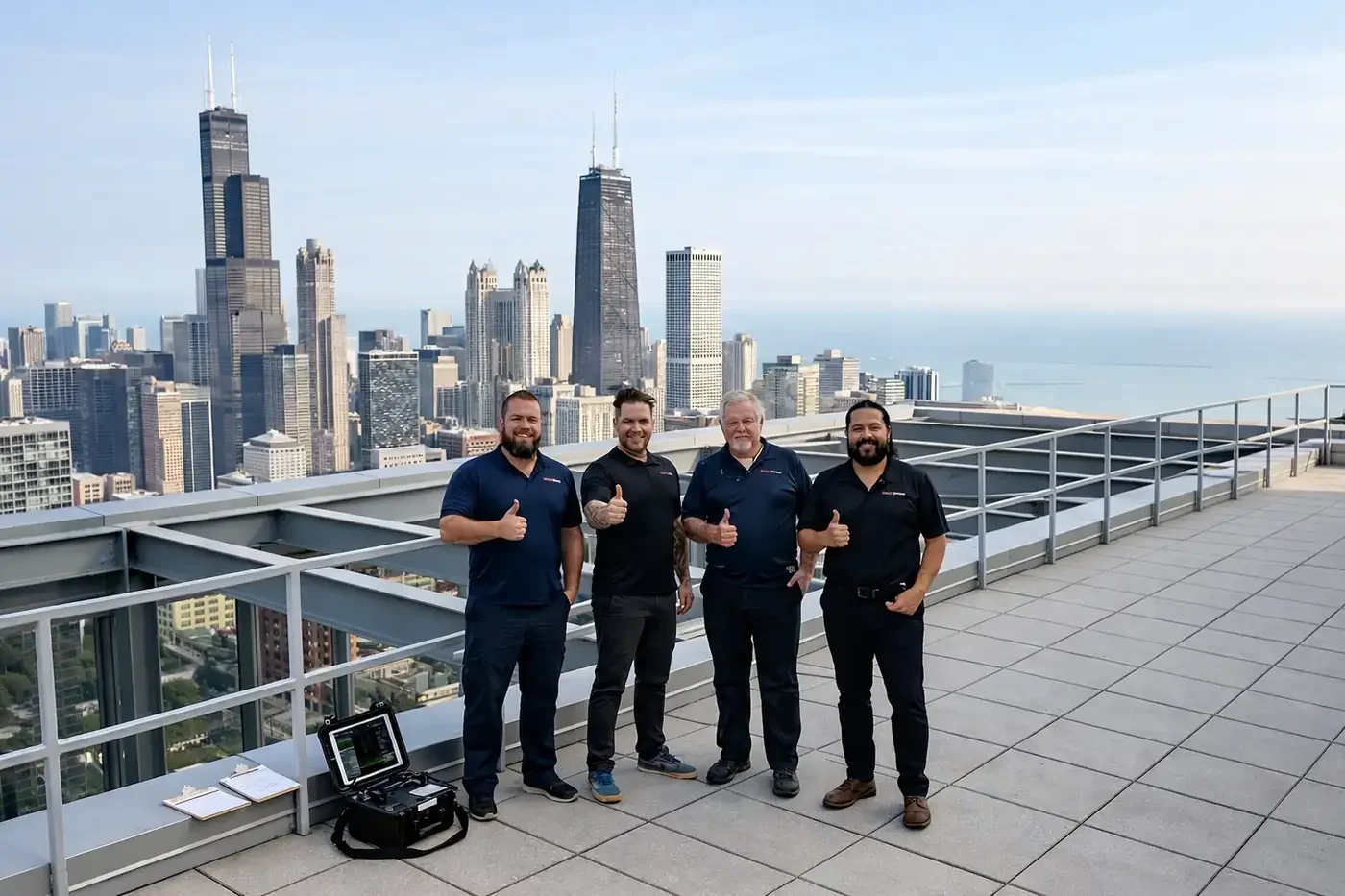
Chicago Exterior Wall Inspection Compliance Guide
Building Code 14A-6-603 for Property Owners and Managers
Chicago Building Code Section 14A-6-603 requires periodic inspection of exterior walls and appurtenances for buildings above a certain height. The program is designed to identify façade deterioration and prevent hazards such as falling masonry, loose façade elements, and structural failures.
If your building exceeds 80 feet in height, you are required to have the exterior walls inspected by a licensed design professional and submit reports to the Chicago Department of Buildings.
This guide outlines compliance requirements, inspection cycles, condition classifications, and practical steps to manage Chicago façade compliance efficiently.
Who Must Comply with Chicago Exterior Wall Requirements
Buildings Subject to the Ordinance
Chicago’s Exterior Wall Program applies to buildings taller than 80 feet.
Common building types include:
High-rise residential buildings
Condominium and cooperative properties
Office and commercial towers
Mixed-use developments
Hotels and institutional buildings
Owner Responsibility
Compliance responsibility rests with the building owner, even when operations are managed by a property manager or association. Owners must ensure inspections are completed and filed within the required timeframe.
What Gets Inspected
Exterior Wall Systems
Inspectors evaluate all exterior wall components, including:
Masonry systems (brick, stone, concrete)
Curtain wall and cladding systems
Precast and concrete panels
Structural façade framing
Architectural Projections and Appurtenances
Façade elements that extend from the building are also inspected:
Parapets and cornices
Window lintels and sills
Balconies and terraces
Decorative architectural features
Structural Attachments
Connections and supports are critical to façade stability:
Anchors and fasteners
Steel framing and reinforcement
Connections supporting façade elements
Common Conditions Identified
Inspectors look for:
Cracking or displacement
Corrosion of steel components
Spalling concrete or masonry
Water infiltration and freeze-thaw damage
Exterior Wall Inspection Cycle
Four-Year Inspection Requirement
Chicago requires façade inspections on a four-year cycle.
Cycle Assignment
Buildings are assigned inspection cycles based on the last two digits of their address number.
Planning Considerations
Owners should plan inspections early due to:
Limited availability of façade engineers
Scheduling of lifts and scaffolding
Coordination with contractors if repairs are needed
Who Can Perform Exterior Wall Inspections
Qualified Design Professionals
Inspections must be performed by licensed professionals, typically:
Illinois-licensed Professional Engineers (PE)
Illinois-licensed Architects (RA)
Inspector Responsibilities
The design professional must:
Evaluate façade safety and condition
Identify deficiencies or hazards
Prepare and certify inspection reports
Report Requirements
Inspection reports typically include:
Detailed condition descriptions
Photographic documentation
Professional certification
Recommended repair actions
Chicago Exterior Wall Condition Classifications
Safe
The façade is considered structurally sound with no required repairs before the next cycle. Routine maintenance may still be recommended.
Safe With Repair and Maintenance Program (SWRMP)
The façade is currently safe but requires repairs or monitoring.
Key considerations:
Repairs must be completed within the recommended timeframe
Conditions must be addressed before the next inspection cycle
Deferred maintenance may escalate to more serious classifications
Unsafe
The façade presents a safety hazard and requires immediate action.
Required actions include:
Installation of sidewalk protection or barriers
Restricting access to affected areas
Emergency stabilization or repairs
Submission of updated reports after corrections
Unsafe conditions are treated as urgent life-safety issues by the City of Chicago.
Filing Requirements with the Chicago Department of Buildings
Required Submissions
Inspection reports must be filed within the assigned cycle and typically include:
Certified inspection report
Photographic documentation
Repair recommendations
Confirmation of completed repairs when applicable
Record Keeping
Owners should maintain all inspection and repair records for:
Compliance verification
Insurance underwriting
Refinancing or transactions
Long-term maintenance planning
Managing Repairs and Compliance
From Inspection to Action
Inspection findings often require follow-up repairs. Managing this process efficiently is key to maintaining compliance.
Coordinating Multiple Professionals
Façade compliance may involve:
Engineers or architects
Restoration contractors
Waterproofing specialists
Access equipment providers
How rascompany.com Supports Chicago Façade Compliance
Access to Qualified Professionals
RAS Engineering helps building owners and managers connect with:
Licensed façade engineers and architects
Masonry and restoration contractors
Waterproofing and structural repair specialists
Scaffolding and façade access providers
Streamlined Project Coordination
Using a coordinated platform helps:
Identify qualified professionals quickly
Reduce scheduling delays
Improve communication between teams
Move efficiently from inspection to repair
Penalties and Risks of Non-Compliance
Potential Consequences
Failure to comply with Chicago’s Exterior Wall Program may result in:
Civil penalties and fines
Orders to install protective measures
Mandatory repair directives
Increased liability exposure
Impact on Property Operations
Non-compliance can also affect:
Insurance coverage
Property refinancing
Real estate transactions
A Practical Chicago Façade Compliance Strategy
Step 1: Confirm Applicability
Determine whether your building exceeds the 80-foot threshold.
Step 2: Identify Inspection Cycle
Verify your assigned inspection cycle based on your address.
Step 3: Engage a Qualified Professional
Schedule inspections with a licensed engineer or architect early.
Step 4: Plan Access and Logistics
Coordinate lifts, scaffolding, or other access methods in advance.
Step 5: Address Repairs Promptly
Act on repair recommendations to maintain compliance and avoid escalation.
Key Takeaway
Chicago’s Exterior Wall Program requires building owners to take a proactive role in maintaining façade safety. Regular inspections, timely repairs, and proper documentation are essential to meeting compliance requirements.
Building owners and property managers who plan ahead and work with qualified professionals are best positioned to protect occupants, reduce liability, and maintain long-term property value.
Schedule an Exterior Wall Inspection
If your building is subject to Chicago’s façade inspection requirements, early planning and professional guidance can help ensure compliance.
Contact us to schedule a consultation and keep your building aligned with Chicago Building Code 14A-6-603.